Youth work is a rewarding profession. Youth workers can change the course of a young person’s life – helping them to gain essential life skills, overcome barriers and unlock their potential.
An introduction to youth work
Youth workers play a crucial role in the lives of many thousands of young people. They bring fun, a sense of structure and a whole host of new opportunities to the people they work with, broadening their horizons, boosting their social skills and giving them a place to simply be themselves.
By supporting young people at one of the most important periods of their lives they help them learn new skills, embrace their passions and develop a sense of identity and independence. And because youth work is not confined to a single location or structured curriculum, it offers a flexibility that traditional education cannot.
Youth workers build voluntary, trusted relationships with young people, away from many of the other pressures they may be facing in their lives. They usually work with young people aged between 11 and 19, but may support young adults up to the age of 25 depending on their needs.
This film brings to life the unique role of youth workers in providing holistic support for young people which considers all the challenges they are facing, be that at school, home, or in the community. It shows how youth work supports better mental wellbeing, builds confidence and can help engage young people with school or further education, as well as open up opportunities to develop their leadership skills within their youth club.
Why choose a career in youth work?
Find out how these youth workers got their jobs and what they love about them.
Darren's story
Learn more about Darren's journey into hospital youth work.

Dave's story
Find out what Dave finds so rewarding about his job.

Clare's story
Read about Clare’s decision to become a youth worker.

How do I get into youth work?
There are many different ways into youth work, with people of all ages attracted to it at varying points in their lives.
Some common routes include:
- Pursuing a degree in youth work or a degree-level apprenticeship after leaving school or further education
- Volunteering in the sector first before taking youth work qualifications to develop the skills you’ve already gained
- Deciding on a career change and pursuing appropriate training to move into the sector

What qualifications do I need?
Youth work is a skilled profession with its own code of practice and it’s important that youth workers have the right qualifications and training to help them support young people to the best of their ability.
Whichever route you take you’ll need to gain a qualification that’s recognised by the Joint Negotiating Committee for youth and community workers (JNC).
There are two different types of roles you can go in to:
For this you must have a Level 6 qualification, which could be a traditional degree in youth work or the new Level 6 Youth Worker Apprenticeship.
More details on these roles and the different qualifications you can study for are available in our Qualifications and training section.
You can also find information on the bursaries and funding available to help support your training here.
For this you need a Level 2 or 3 certificate or a Diploma in Youth Work Practice. These qualifications are great for people already working with or volunteering in a youth setting.
Getting qualified
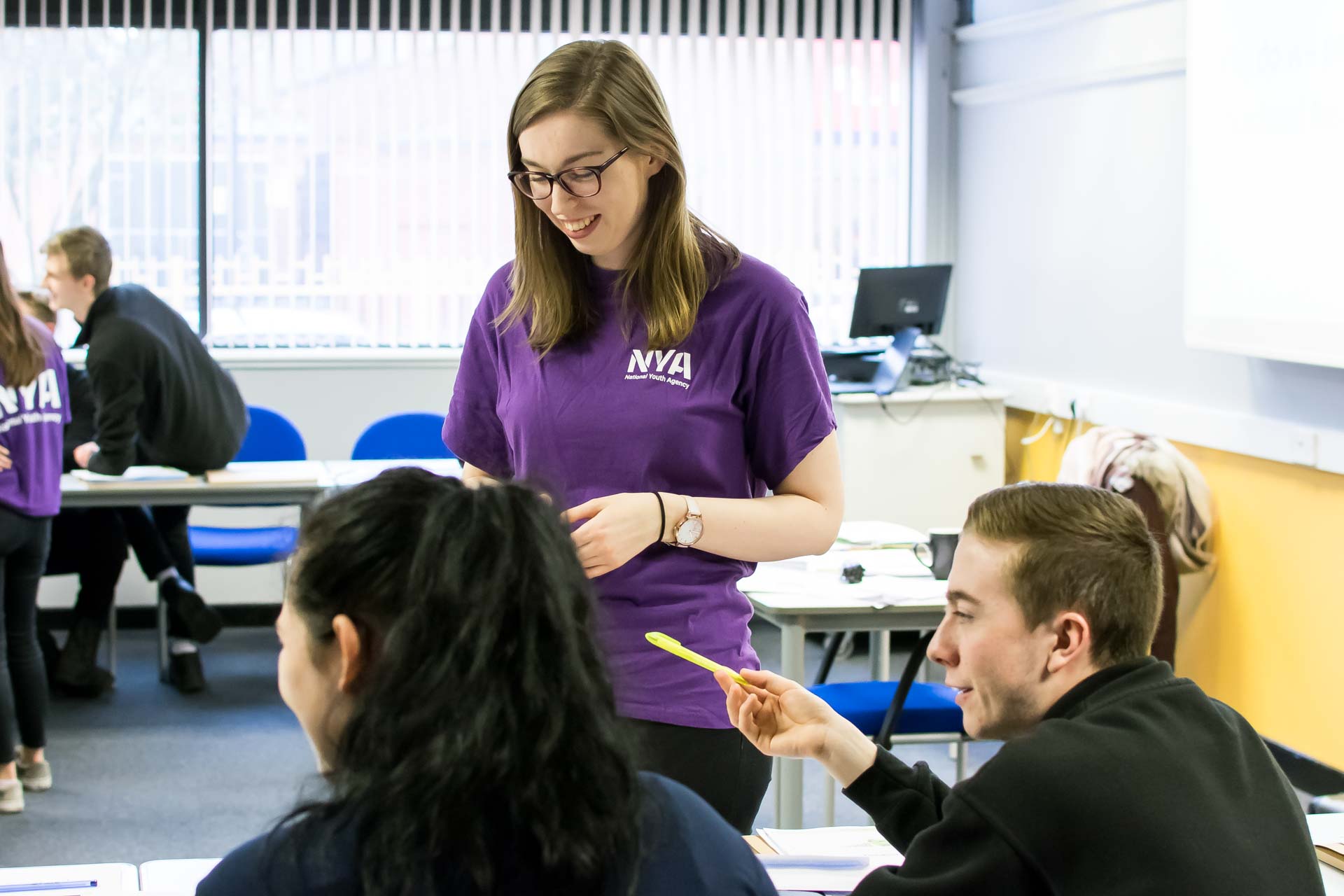
Youth work is a rewarding profession, which offers variety and the chance to specialise in a range of settings or work with young people facing particular challenges.
You may also work alongside allied professionals to provide holistic and joined up support to young people.
There are different ways to become qualified as a youth worker, depending on whether you want to progress from a volunteer role, develop your skills and qualifications ‘on the job’ or take a more academic route after leaving school.
Take a look at our Qualifications and Training section for full details of the most popular routes and to view a list of training and education providers.
